Small-Scale Composting: Comparing Wooden Bins, Plastic Tubs, and Tumblers
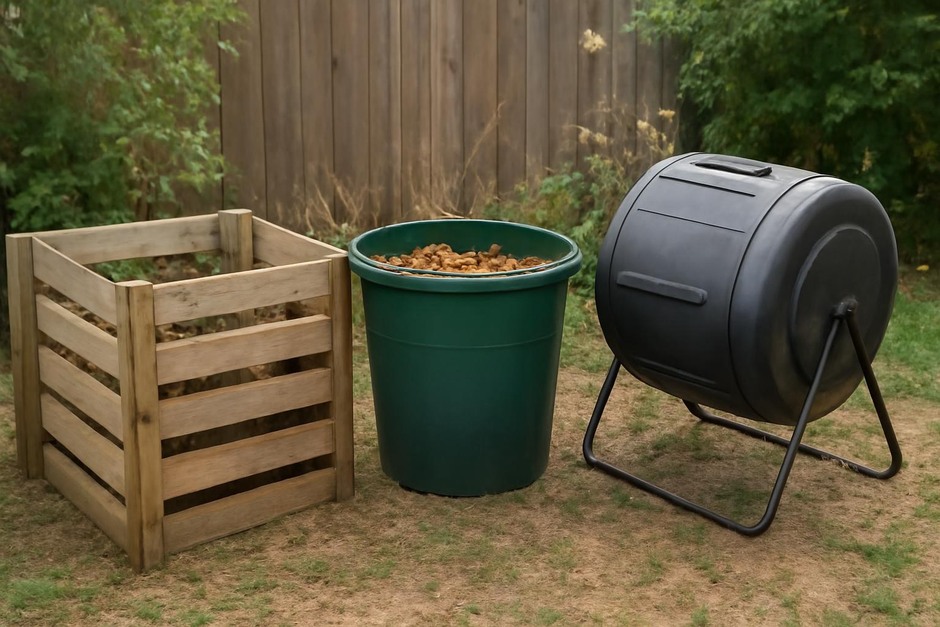
Composting at home can be as simple as a corner of the garden or as tidy as a compact rotating drum by the kitchen. Choosing the right system often comes down to a few practical questions: what materials will hold up, how hands-on do you want to be, and which method matches your space and climate? Below is a balanced comparison of three common small-scale approaches—wooden bins, plastic tubs, and tumblers—examining materials and construction, airflow and moisture management, maintenance effort, and environmental trade-offs.
Materials and construction: solid timber, molded plastic, or metal-reinforced barrels
Wooden bins are typically constructed from untreated softwood, reclaimed pallets, or purpose-cut slats. They are breathable and integrate well with a garden aesthetic. Construction is often simple, using slats or stacked crates that allow for DIY modification. The trade-offs are susceptibility to rot and limited pest barriers unless lined.
Plastic tubs and commercial plastic bins come molded in durable polymers. They resist rot and are easy to clean. Many have removable lids and can be adapted with drilled holes for ventilation. Downsides include heat retention that can harm beneficial microbes in warm climates and the risk of cracking over time in sun-exposed locations.
Tumblers combine a lightweight barrel—plastic or metal—with an axle that allows rotation. Metal tumblers offer durability but can heat up or cool down quickly, affecting composting activity. Plastic tumblers are common for their light weight and rust resistance; however, their longevity varies by material quality.
Airflow and moisture management: passive ventilation vs. pierced sides vs. active turning
Wooden bins with slatted sides provide natural airflow and passive drainage. This can make it easier to avoid anaerobic pockets but requires attention to layering materials to maintain balance. Moisture tends to dissipate faster in exposed timber constructions, which may be helpful in damp climates and a drawback in dry ones.
Plastic tubs, unless modified, often lack sufficient passive airflow. Owners commonly drill holes or install vents to introduce oxygen. Because plastic bins can trap moisture, monitoring is important to prevent soggy, smelly conditions. Adding dry browns and turning contents manually helps manage moisture.
Tumblers are designed for active aeration: rotating mixes oxygen throughout the pile and accelerates breakdown. Their enclosed form can retain heat and moisture, which benefits decomposition in cooler climates. In very wet conditions, tumblers can become waterlogged since drainage is limited; drainage holes or reduced wet inputs are practical workarounds.
Maintenance and labor: turning frequency, loading pattern, and monitoring
Wooden bins usually require the most manual effort for turning: a pitchfork or shovel is used to mix layers, and many gardeners adopt a multi-bin setup to allow staged curing. This method rewards regular attention with higher quality compost but demands space and a willingness to handle the pile.
Plastic tubs are often used as stationary reactors and may be turned with a compost aerator tool or by transferring material between tubs. They can be suitable for intermittent attention and small-volume kitchen waste, though manual agitation and occasional moisture checks are still necessary.
Tumblers minimize heavy lifting: a few rotations every few days can be enough to keep decomposition active. This convenience makes them attractive to those with limited mobility or without space for turning equipment. However, tumblers can limit final curing space; finished compost may need an external spot to rest before use.
Environmental impact and longevity: durability, end-of-life, and local considerations
Wooden bins built from reclaimed wood or untreated timber are often locally sourced and biodegradable at end-of-life, but they require periodic replacement. Choosing rot-resistant species or small preservative treatments (applied only where necessary) can extend service life while minimizing chemical exposure.
Plastic bins and tumblers made from recycled or high-density polyethylene offer long lifespans with minimal maintenance. The environmental trade-off is the embodied energy and the challenge of disposal if the plastic is not recyclable locally. Durable plastic that lasts decades can offset initial impacts compared with repeatedly replacing cheaper materials.
Metal components add robustness but may corrode unless stainless or galvanized. Consider local climate—coastal salt air accelerates corrosion—and availability of repair parts when evaluating long-term suitability.
Conclusion
No single composting solution is universally best. Wooden bins favor gardeners who value simple materials and easy integration into garden beds but accept periodic replacement and more manual turning. Plastic tubs suit small kitchens and those prioritizing low maintenance and rot resistance, provided airflow and drainage are managed. Tumblers offer efficient aeration and convenience at the cost of limited capacity and potential drainage issues. Matching material properties and maintenance rhythm to your space, climate, and composting goals will yield the most reliable outcome. A modest experiment—trying one approach and observing seasonally—often clarifies which trade-offs feel most practical in your home garden.